Stunning Stairs and Railings for Your Home
Updated: Jan 6
Stairs and railings are often overlooked elements in home design, yet they play a crucial role in both functionality and aesthetics. A well-designed staircase can serve as a stunning focal point, while stylish railings can enhance the overall look of your space. In this blog post, we will explore various types of stairs and railings, their materials, styles, and how to choose the right options for your home.
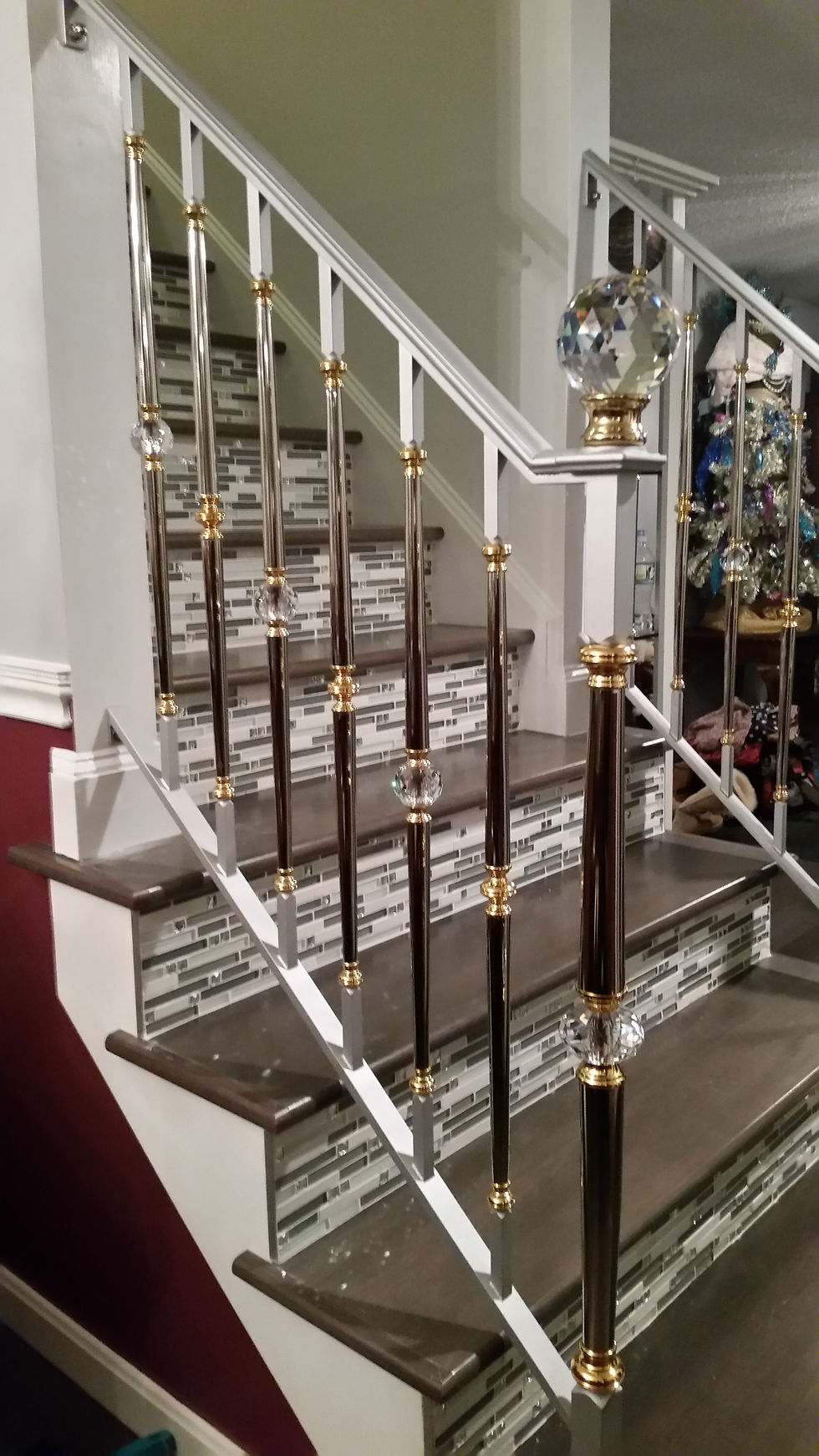
The Importance of Stairs and Railings
Stairs are not just a means to get from one floor to another; they can also define the character of your home. Railings, on the other hand, provide safety and support while adding an aesthetic touch. Here are some reasons why you should pay attention to these elements:
Safety: Railings are essential for preventing falls, especially in homes with children or elderly residents.
Style: A unique staircase can serve as a statement piece in your home, showcasing your personal style.
Functionality: Well-designed stairs can improve the flow of your home, making it easier to navigate between levels.
Types of Stairs
When it comes to choosing stairs for your home, there are several styles to consider. Each type has its own unique features and benefits.
1. Straight Stairs
Straight stairs are the most common type found in homes. They consist of a single flight of stairs without any turns or landings.
Pros:
Simple and straightforward design
Easy to construct
Space-efficient
Cons:
Can be less visually interesting than other styles
2. L-Shaped Stairs
L-shaped stairs feature a landing that creates a turn, making them ideal for corners or tight spaces.
Pros:
Adds visual interest
Can fit into smaller areas
Cons:
Requires more space than straight stairs
3. U-Shaped Stairs
U-shaped stairs consist of two flights of stairs connected by a landing, creating a U shape.
Pros:
Provides a dramatic look
Can be used in larger homes
Cons:
Requires more space and can be more complex to build
4. Spiral Stairs
Spiral stairs are compact and can fit into tight spaces. They are designed to wind around a central pole.
Pros:
Space-saving design
Unique and stylish appearance
Cons:
Can be difficult to navigate, especially for those with mobility issues
5. Floating Stairs
Floating stairs give the illusion of being suspended in mid-air. They are often made of wood or metal and have no visible support.
Pros:
Modern and sleek design
Creates an open feel in the space
Cons:
Can be more expensive and require careful installation
Choosing the Right Material
The material you choose for your stairs and railings can significantly impact their appearance and durability. Here are some popular options:
Wood
Wooden stairs and railings offer a classic and warm look. They can be stained or painted to match your home’s decor.
Pros: Versatile, can be customized, and provides a timeless appeal.
Cons: Requires maintenance and can be prone to scratches and dents.
Metal
Metal stairs and railings, such as those made from steel or aluminum, provide a modern and industrial look.
Pros: Durable, low maintenance, and can withstand harsh weather conditions.
Cons: Can be cold and uninviting if not paired with warmer materials.
Glass
Glass railings are becoming increasingly popular for their sleek and contemporary appearance. They provide an unobstructed view while maintaining safety.
Pros: Creates an open feel, easy to clean, and adds a touch of elegance.
Cons: Can be expensive and may require regular cleaning to maintain clarity.
Concrete
Concrete stairs are durable and can be molded into various shapes and designs.
Pros: Extremely durable and can withstand heavy use.
Cons: Can be cold and uninviting without proper finishing.
Styles of Railings
Railings are an essential part of stair design, providing safety and style. Here are some popular railing styles to consider:
1. Traditional Railings
Traditional railings often feature spindles and a wooden handrail. They can add a classic touch to your home.
2. Modern Railings
Modern railings often use clean lines and minimalistic designs. They may incorporate materials like glass or metal for a sleek look.
3. Cable Railings
Cable railings use stainless steel cables stretched between posts. They provide a contemporary look while maintaining visibility.
4. Wrought Iron Railings
Wrought iron railings are known for their durability and intricate designs. They can add a touch of elegance to both indoor and outdoor spaces.
Tips for Choosing Stairs and Railings
Selecting the right stairs and railings for your home can be a daunting task. Here are some tips to help you make the best choice:
Consider Your Space: Measure the area where the stairs will be installed to ensure they fit comfortably.
Think About Style: Choose a design that complements your home’s overall aesthetic.
Prioritize Safety: Ensure that railings are at the appropriate height and that stairs have a non-slip surface.
Budget Wisely: Determine your budget before shopping for materials and designs.
Maintenance Tips
Once you have installed your stairs and railings, it’s important to keep them in good condition. Here are some maintenance tips:
Regular Cleaning: Dust and clean your stairs and railings regularly to prevent buildup.
Inspect for Damage: Check for any loose railings or damaged steps and repair them promptly.
Refinish Wood: If you have wooden stairs, consider refinishing them every few years to maintain their appearance.
Conclusion
Stunning stairs and railings can transform your home, adding both beauty and functionality. By understanding the different types, materials, and styles available, you can make informed decisions that enhance your living space. Remember to prioritize safety and maintenance to ensure your stairs and railings remain a beautiful and functional part of your home for years to come.
Take the time to explore your options and create a staircase that reflects your personal style while serving its essential purpose. Whether you opt for a classic wooden design or a modern glass railing, the right choice will elevate your home’s aesthetic and functionality.


Comments